

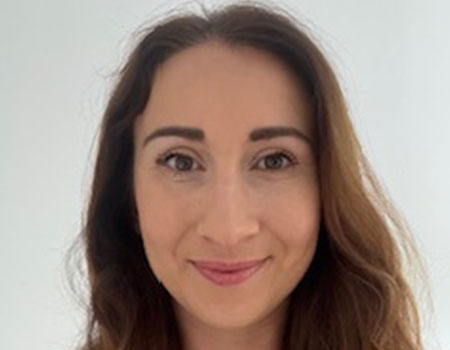
by Kim Gibson
Sustainable Procurement Manager, Kier
* Content warning: This article discusses modern slavery, exploitation, and trauma, which some readers may find distressing.
Key takeaways
Modern slavery can affect construction and its supply chains, so recognising warning signs and acting early matters.
Kim Gibson, who works in responsible sourcing at Kier, is a trained First Responder for The Salvation Army and helps survivors access specialist support through the National Referral Mechanism.
Construction businesses can help by strengthening due diligence, promoting ethical recruitment, training people to spot risks and providing safe ways to raise concerns.
Meet Kim Gibson
Kim Gibson works in responsible sourcing at Kier and has spent much of her career focused on ethical labour practices. As a trained First Responder for The Salvation Army, she helps survivors of modern slavery share their experiences and access protection and specialist support.
Some common indicators of modern slavery include:
Workers being paid little or no wages
Restricted freedom of movement
Threats, intimidation or violence
Poor or unsafe living conditions
Confiscation of identity documents
Excessive working hours
Lack of access to healthcare or support
Fear of speaking to authorities or seeking help
No single sign confirms exploitation, but recognising these indicators can help organisations identify risks and provide support.
How can construction companies help tackle modern slavery?
Construction businesses can help prevent modern slavery by:
Conducting robust supply chain due diligence
Promoting ethical recruitment and employment practices
Training employees and suppliers to recognise warning signs
Encouraging workers to raise concerns safely
Working with industry partners and specialist organisations
Monitoring labour standards across projects and supply chains
By taking a proactive approach, construction companies can help create safer workplaces, protect vulnerable people and contribute to the wider fight against labour exploitation.
Modern slavery isn't a distant issue. It's happening here, in our communities, often hidden in plain sight.
As someone who works in ethical labour practices at Kier, I've long been committed to protecting workers across our supply chains. But I wanted to do more. I wanted to stand alongside those who've experienced exploitation firsthand and help them access the support they need to rebuild their lives.
That’s why I became a First Responder for The Salvation Army.
The Salvation Army holds the government contract to provide specialist support for adult survivors of modern slavery in England and Wales. Before survivors can access this support, they are typically referred through the National Referral Mechanism (NRM), a process that begins with a trained First Responder.
In 2025, I used one of my two Kier volunteering days to attend an in-person, all-day First Responder workshop. The training was intense and deeply moving. We explored different forms of modern slavery, learned how to spot key indicators and practised trauma-informed communication. We also discussed how to work sensitively across cultures and languages, an essential skill when supporting survivors from diverse backgrounds.
Now, as a trained First Responder, I help survivors share their experiences and submit their accounts through the NRM. This process can open the door to life-changing support, including safe accommodation, medical care, counselling and legal advice. It's a powerful way to stand alongside survivors and help them rebuild their lives.
Why this work matters
The work I do acts as a gateway to protection and support. By documenting a survivor’s story and submitting it through the NRM, we open the door to government-funded services that offer safety, stability, and hope.
Creating accurate, detailed statements not only supports survivors but also helps law enforcement identify traffickers, strengthen investigations, and build cases that can dismantle criminal networks.
Each referral also shines a light on the realities of modern slavery - driving stronger policies, better prevention, and greater public understanding.
This work has deepened my understanding of exploitation and strengthened my resolve to advocate for ethical labour practices - not just in policy, but in action. Being a First Responder is one of the most meaningful ways I’ve been able to contribute directly to the fight against modern slavery. It’s a reminder that behind every policy and procedure are real people - survivors - who deserve dignity, safety, and a future free from exploitation.
What is modern slavery and how can businesses help prevent it?
Modern slavery is one of the most serious human rights challenges facing the UK today. It can take many forms, including forced labour, human trafficking, debt bondage, domestic servitude and criminal exploitation. While often hidden from view, it can affect people working across a range of sectors, including construction and its supply chains.
Businesses have an important role to play in identifying the signs of exploitation, protecting vulnerable workers and promoting ethical labour practices. At Kier, tackling modern slavery forms part of our commitment to responsible business, workforce welfare and ethical supply chain management. By raising awareness, strengthening due diligence and supporting colleagues to recognise potential risks, we can help create safer working environments and support those affected by exploitation.
Why modern slavery matters in construction
Construction relies on complex supply chains, large workforces and multiple tiers of subcontractors. While the vast majority of employers operate responsibly, these factors can create opportunities for labour exploitation if businesses are not vigilant.
That's why organisations across the sector continue to strengthen ethical recruitment practices, worker welfare standards and supply chain due diligence. Raising awareness and recognising the warning signs can help prevent exploitation and ensure vulnerable individuals receive the support they need.
Frequently asked questions about modern slavery
What is modern slavery?
Modern slavery is an umbrella term used to describe situations where individuals are exploited and cannot leave because of threats, coercion, deception or abuse of power. It can include forced labour, human trafficking, domestic servitude, sexual exploitation and criminal exploitation.
Despite increased awareness, modern slavery remains a significant issue in the UK and around the world, often affecting vulnerable people who may be targeted because of financial hardship, immigration status or social isolation.
What is a First Responder?
A First Responder is a trained individual from an authorised organisation who can identify potential victims of modern slavery and make referrals for support.
First Responders play a critical role in helping survivors access protection, accommodation, healthcare, legal advice and other specialist services. They also help ensure concerns are recorded and investigated appropriately.
What is the National Referral Mechanism (NRM)?
The National Referral Mechanism (NRM) is the UK's framework for identifying and supporting potential victims of modern slavery.
When a trained First Responder submits a referral, the process allows survivors to be assessed and, where appropriate, gain access to government-funded support. The NRM also helps authorities better understand the scale and nature of modern slavery and improve efforts to tackle it.
What are the signs of modern slavery and labour exploitation?
The impact of this work
A man from overseas, whose identity is being withheld for his protection, has come forward with a harrowing account of exploitation and abuse after arriving in the UK, highlighting the ongoing reality of modern slavery.
The individual, who we will refer to as "A", arrived in the UK in 2010 on a student visa but was unable to complete his studies due to financial difficulties.
Recruitment and false promises
In May 2021, A was approached by two men while sitting outside. They offered him work, promising a daily wage of £80. Trusting these assurances, he accepted the offer and was transported to a factory site approximately 30 minutes away.
Exploitation behind closed doors
Initially, A received the promised payment for three to four days, but after that, his wages stopped completely. He was confined in a small room within the factory, locked from the outside and subjected to repeated physical abuse.
The site, where construction work was taking place, was virtually deserted except for A, another worker and the two exploiters who frequently visited. Throughout his month-long captivity, A endured severe conditions, including minimal food and water and ongoing intimidation.
He was told that if he attempted to leave, he would be killed. Without access to a phone or any means of communication, escape seemed impossible. Eventually, after about a month, he was abandoned unconscious by the roadside and sought refuge with a friend.
Ongoing trauma and need for support
Today, A is safe and staying with friends, but continues to experience significant anxiety and social withdrawal as a result of his ordeal.
As a First Responder, I identified multiple indicators consistent with modern slavery, including false promises, abusive living and working conditions, withheld wages, physical violence, restricted movement and psychological trauma. These findings prompted a formal referral through the National Referral Mechanism.
The broader picture
A's story is a stark reminder that modern slavery remains a reality in the UK.
It highlights the importance of recognising the warning signs of exploitation, supporting victims and maintaining vigilance across communities, workplaces and supply chains.
Efforts to tackle modern slavery depend on the courage of survivors who come forward and the commitment of organisations and individuals who help them access support.
At Kier, tackling modern slavery goes beyond compliance. It is part of our commitment to responsible business, ethical labour practices and protecting the wellbeing of everyone who works across our projects and supply chains. By raising awareness, recognising the warning signs and taking action, we can all play a role in helping prevent exploitation and supporting survivors.
If something doesn’t seem right, you can report it anonymously. You do not need to be certain that modern slavery or exploitation is taking place before raising a concern. Concerns can be reported through the Unseen Modern Slavery & Exploitation Helpline, where confidential advice and support are available.
Call 08000 121 700
Report online: Unseen – Report a concern