

Historic coal mining has left a significant legacy across South Yorkshire, including mine water contaminated with iron and other minerals that can threaten local watercourses and drinking water supplies if left untreated. The Thorpe Hesley Mine Water Treatment Scheme, delivered by Kier on behalf of the Mining Remediation Authority, has been designed to address this challenge through a sustainable, nature based treatment process that protects the environment while creating lasting value for the local community.
To date, the project has delivered more than £2 million in social value, including:
49 apprenticeship weeks created
179 hours of education engagement
1,011 community beneficiaries reached
£511,776 spent with local businesses
Four local people recruited into new roles
149 hours of community volunteering
At the heart of the scheme are engineered reed beds that harness natural biological and chemical processes to remove contaminants from mine water before it is safely returned to the environment. In addition to improving water quality, the reed beds create valuable wetland habitat and act as a natural carbon sink, capturing and storing carbon within their vegetation, root systems and surrounding soils. This provides long term benefits for biodiversity, climate resilience and environmental recovery.
Recognising the opportunity to maximise positive impact, social value objectives were embedded into the project from the outset. Working closely with the Mining Remediation Authority, Kier developed a programme of community engagement, education and environmental initiatives designed to ensure that local people benefit directly from the investment taking place in their area.
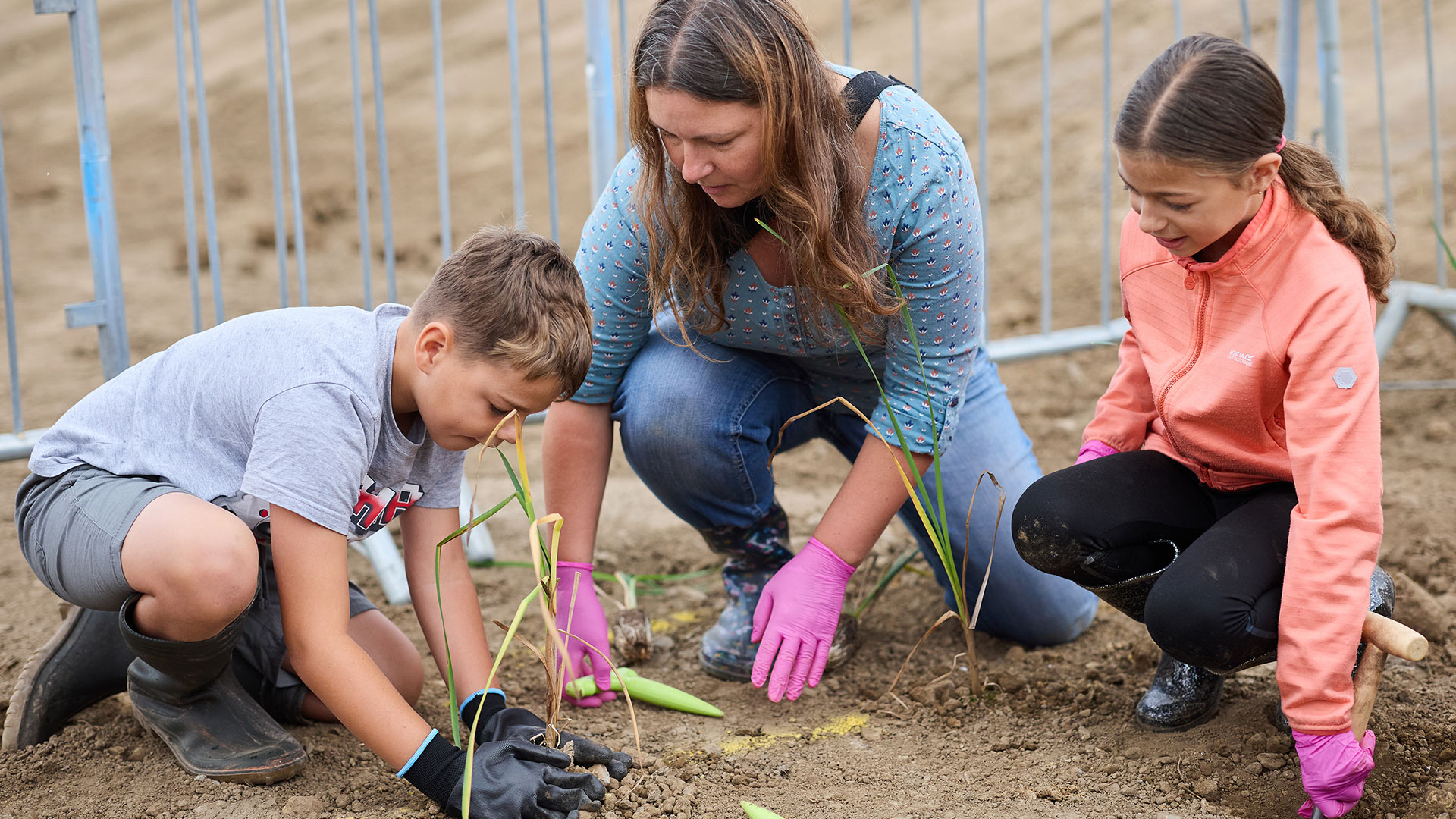
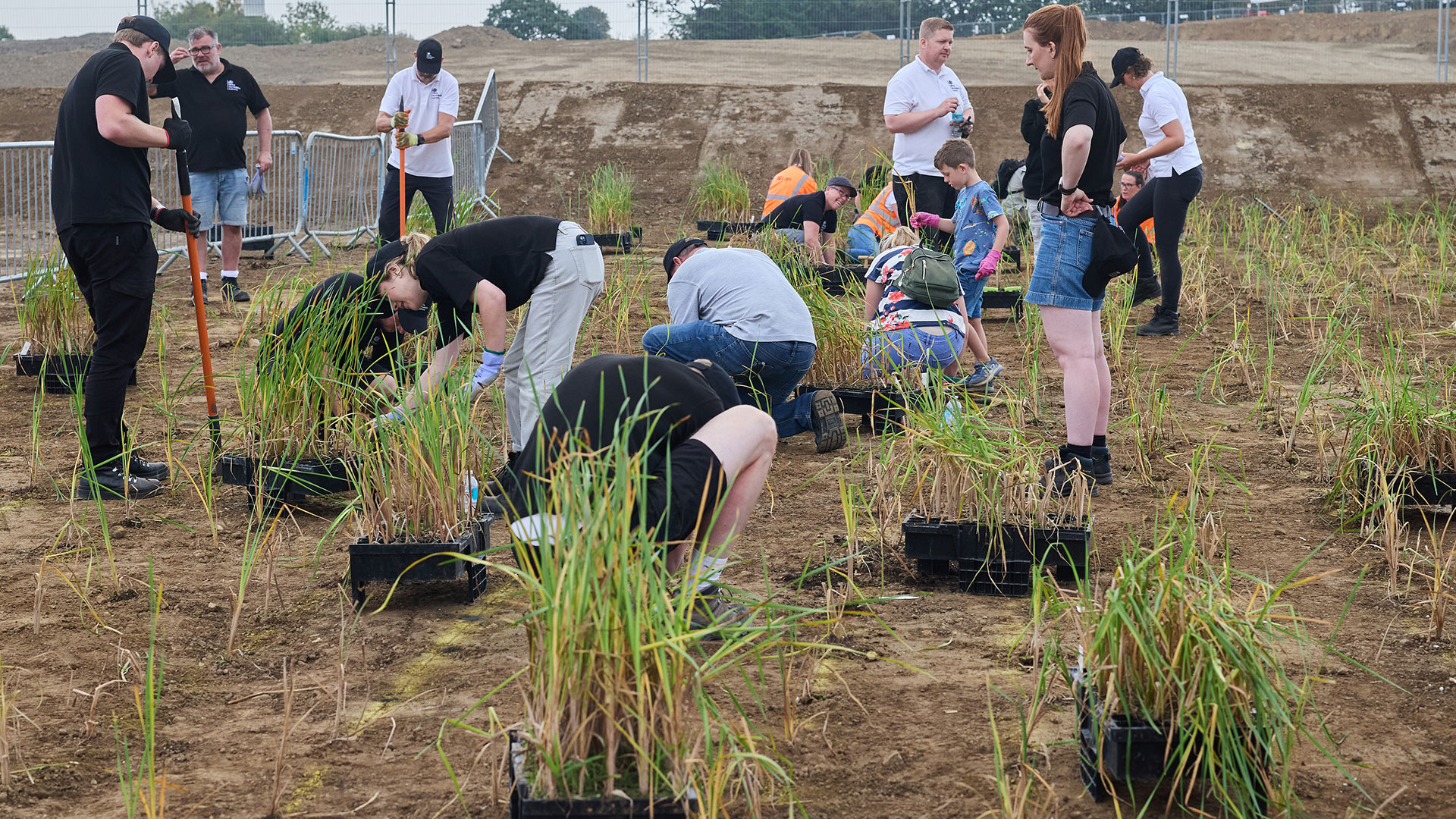
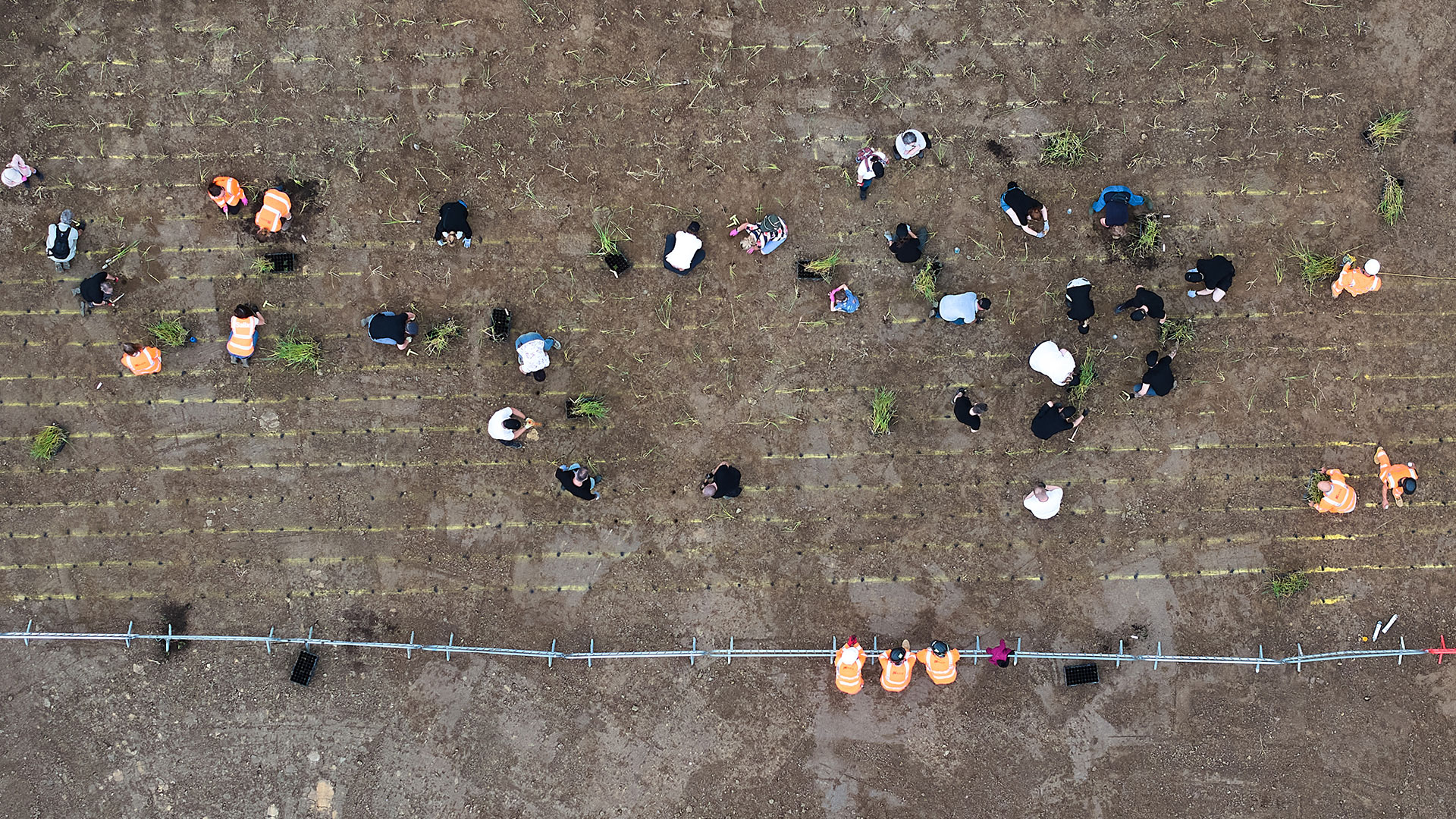
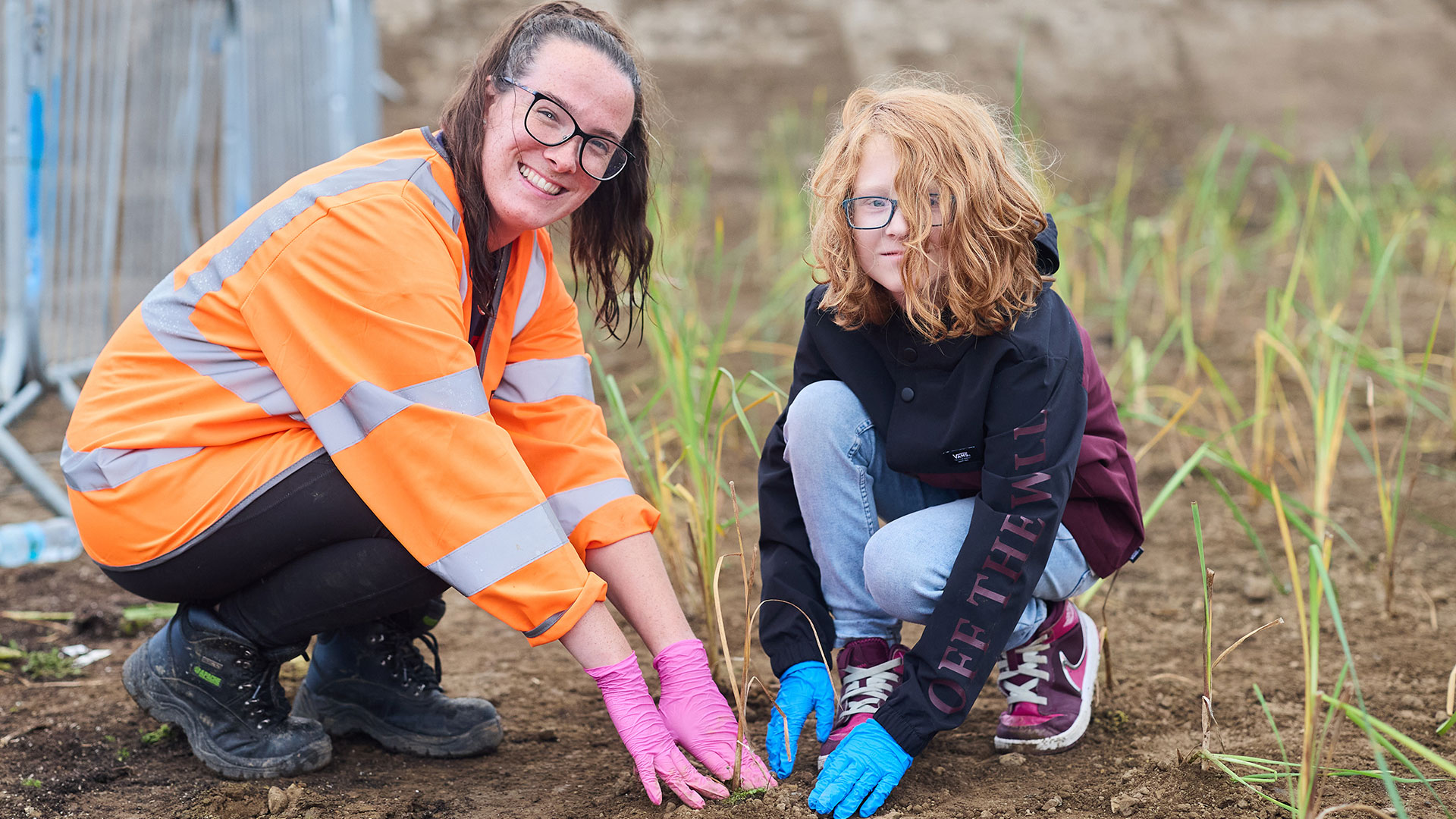
One of the most visible examples was a community reed planting day, where local residents, school representatives, project partners and supply chain colleagues came together to plant hundreds of reeds that will form part of the operational treatment system. Grown in Norfolk and planted in South Yorkshire, the reeds will contribute to cleaner water, enhanced biodiversity and long-term carbon capture. The event enabled local people to play an active role in creating an environmental asset that will benefit future generations, fostering a strong sense of ownership and pride in the project.
The scheme has also established a strong relationship with nearby Redscope Primary School. Volunteers from Kier, the Mining Remediation Authority and project partners have supported outdoor improvement activities at the school, while pupils have visited the site to learn about mine water treatment, environmental protection and careers in engineering. Engagement has extended to local secondary schools through careers events, work experience placements and the support of a full-time engineering apprentice working on the project.
Community engagement has remained a priority throughout construction. Residents have been kept informed through regular newsletters and engagement events, while enhancements to local footpaths and bridleways have improved accessibility and safety around the site. New information boards featuring QR codes provide visitors with access to interactive content explaining the purpose of the scheme and its environmental benefits.
Thorpe Hesley has also been at the forefront of innovation. The project became the first Mining Remediation Authority scheme to trial an artificial intelligence enabled carbon monitoring tool, capable of capturing real time data on transport emissions and embodied carbon from material deliveries. The insights generated have helped identify opportunities to reduce carbon emissions through supply chain choices and material selection, supporting the transition towards lower carbon construction.
The project's environmental credentials have been further strengthened through ongoing ecological management. Regular ecological surveys identified opportunities to enhance habitat value across the site, including the retention of waste timber that had begun to provide shelter and habitat for wildlife, demonstrating how small interventions can deliver meaningful biodiversity benefits.